Overview
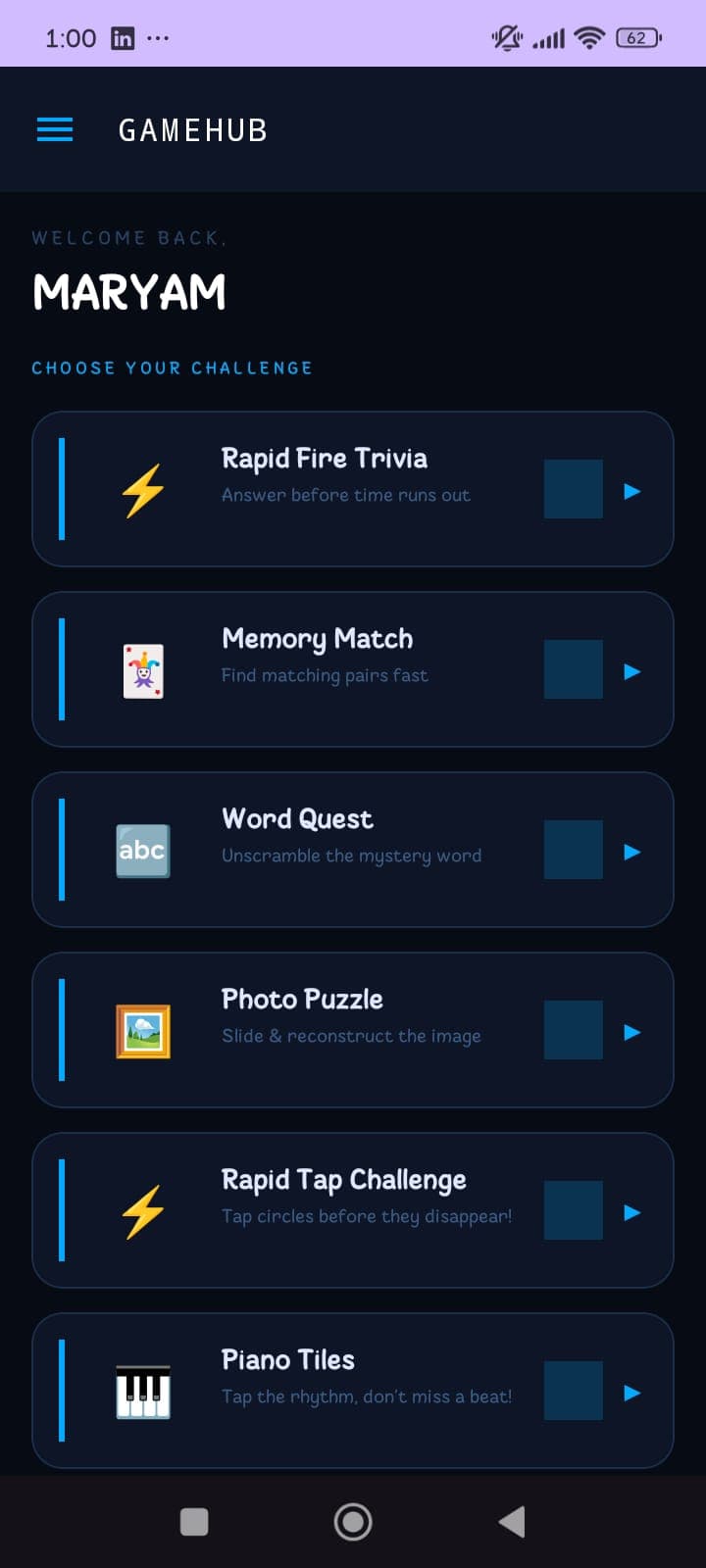
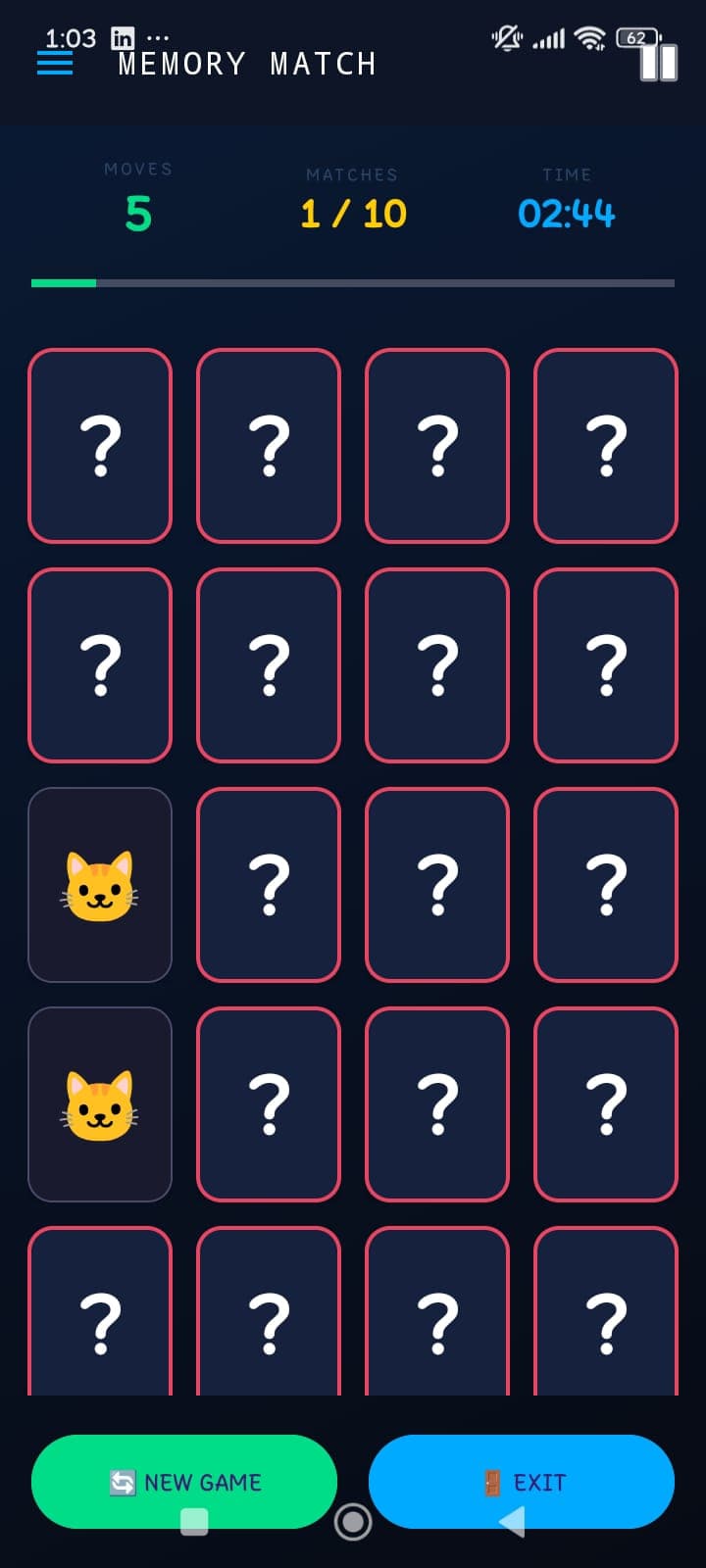
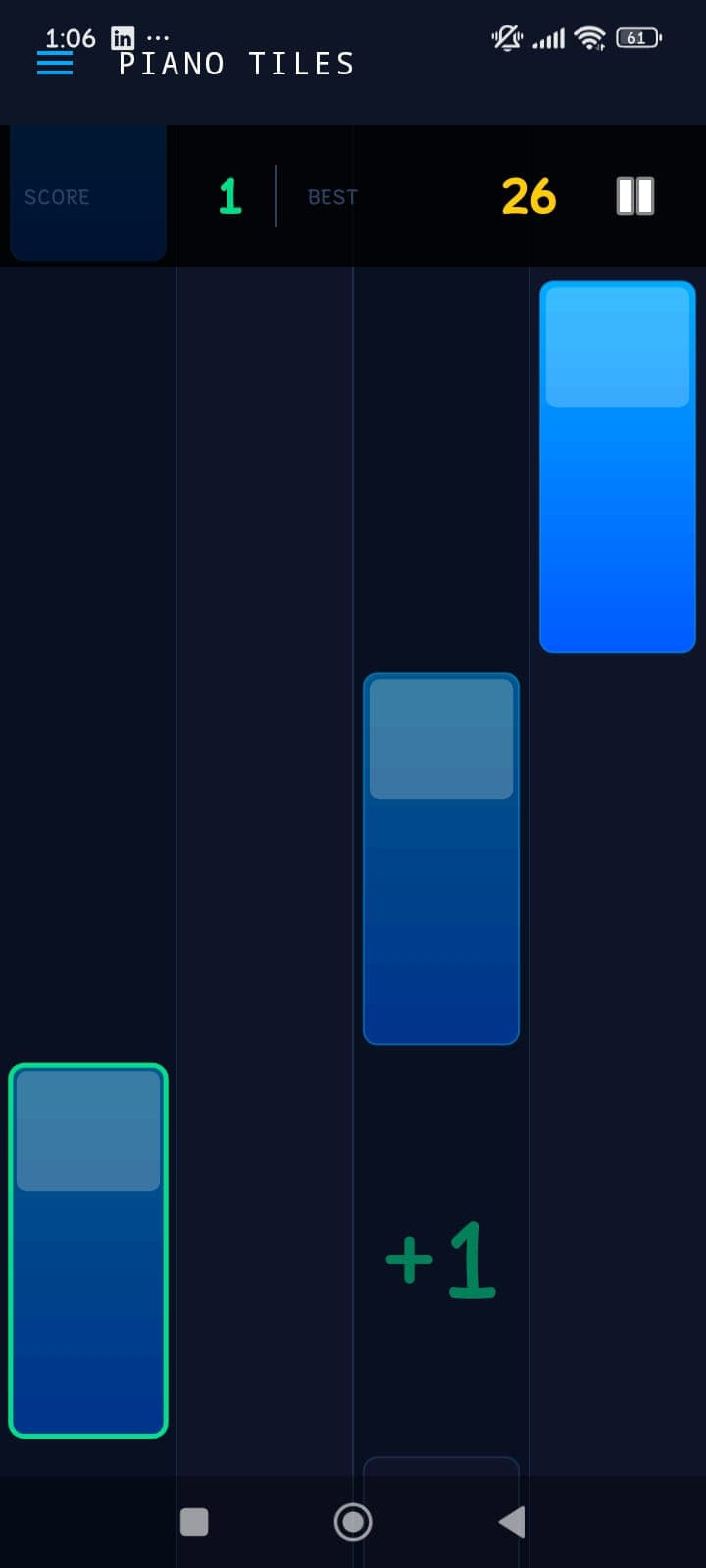
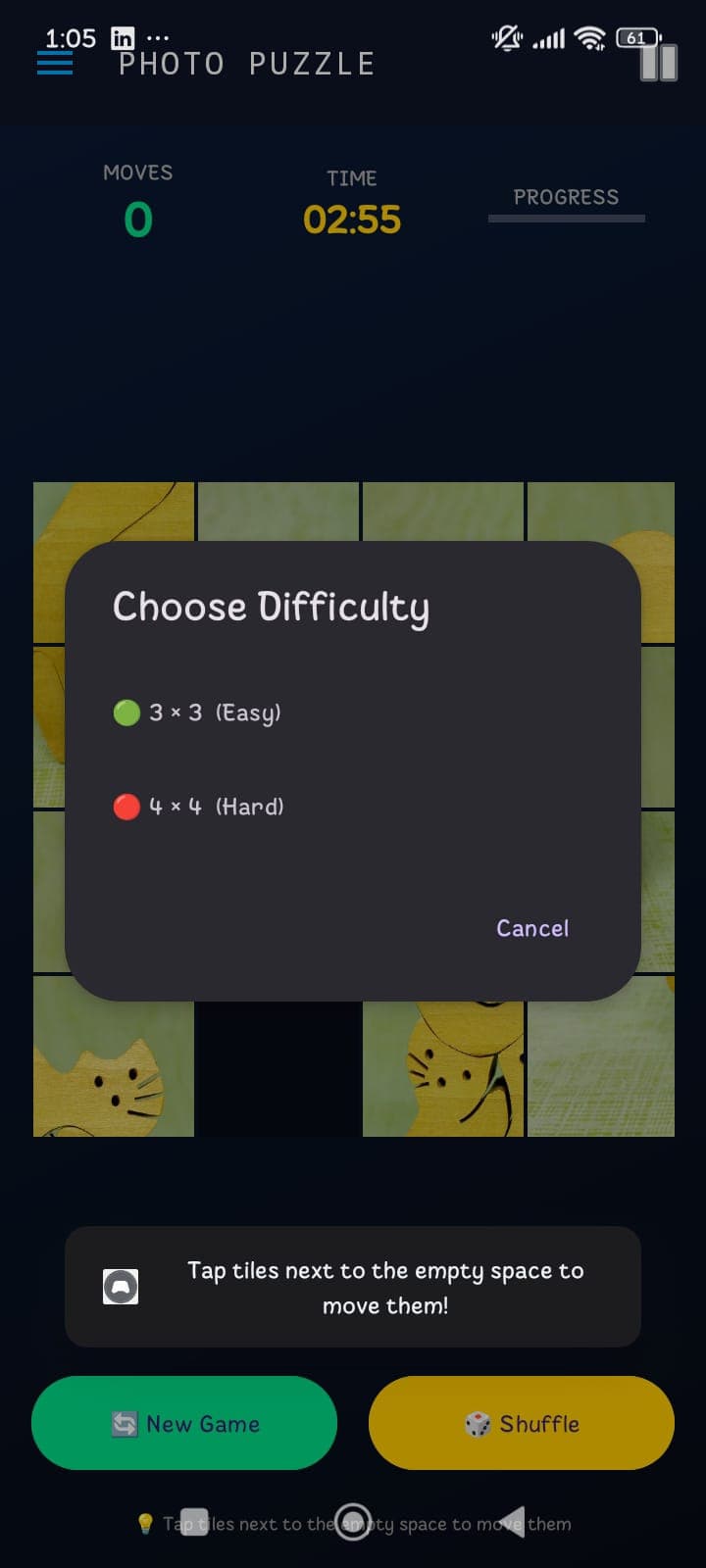
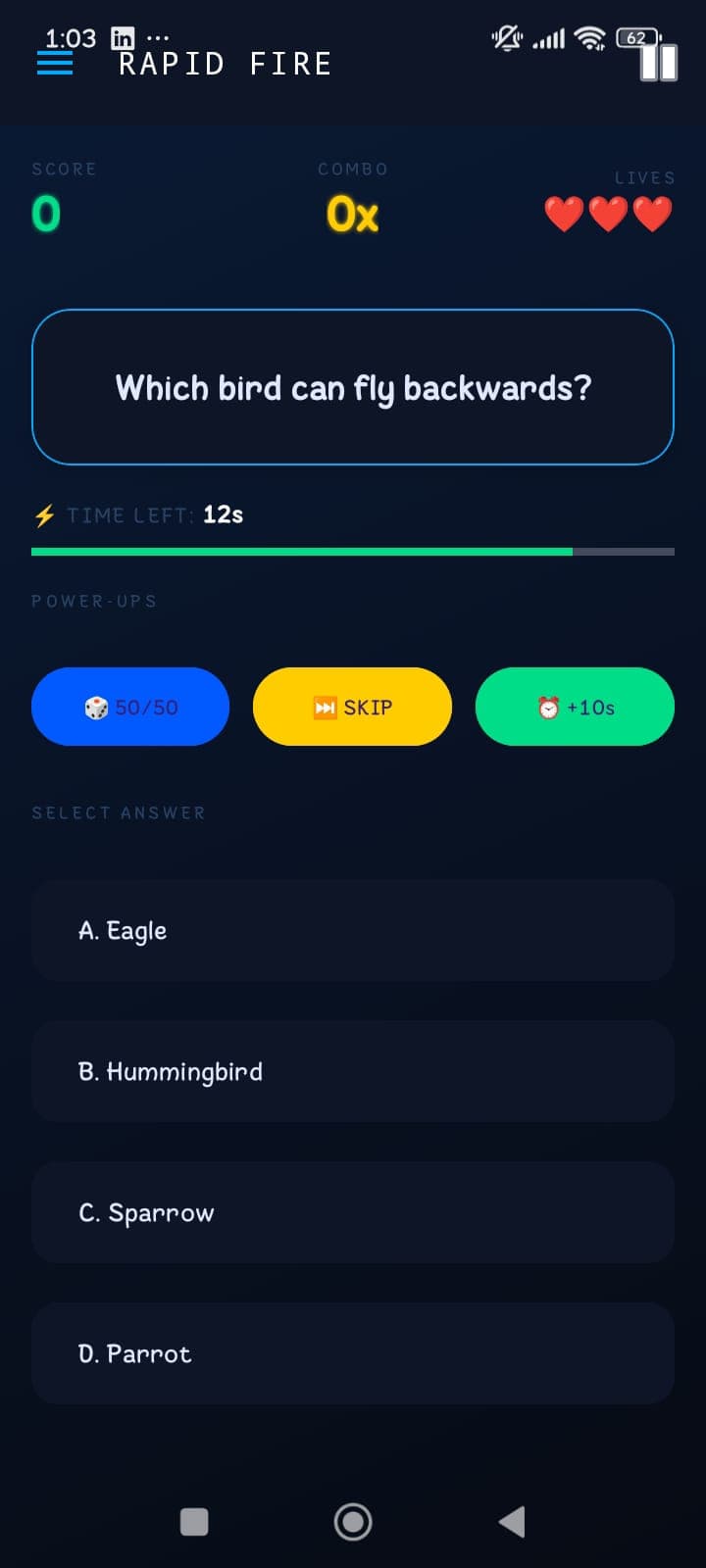
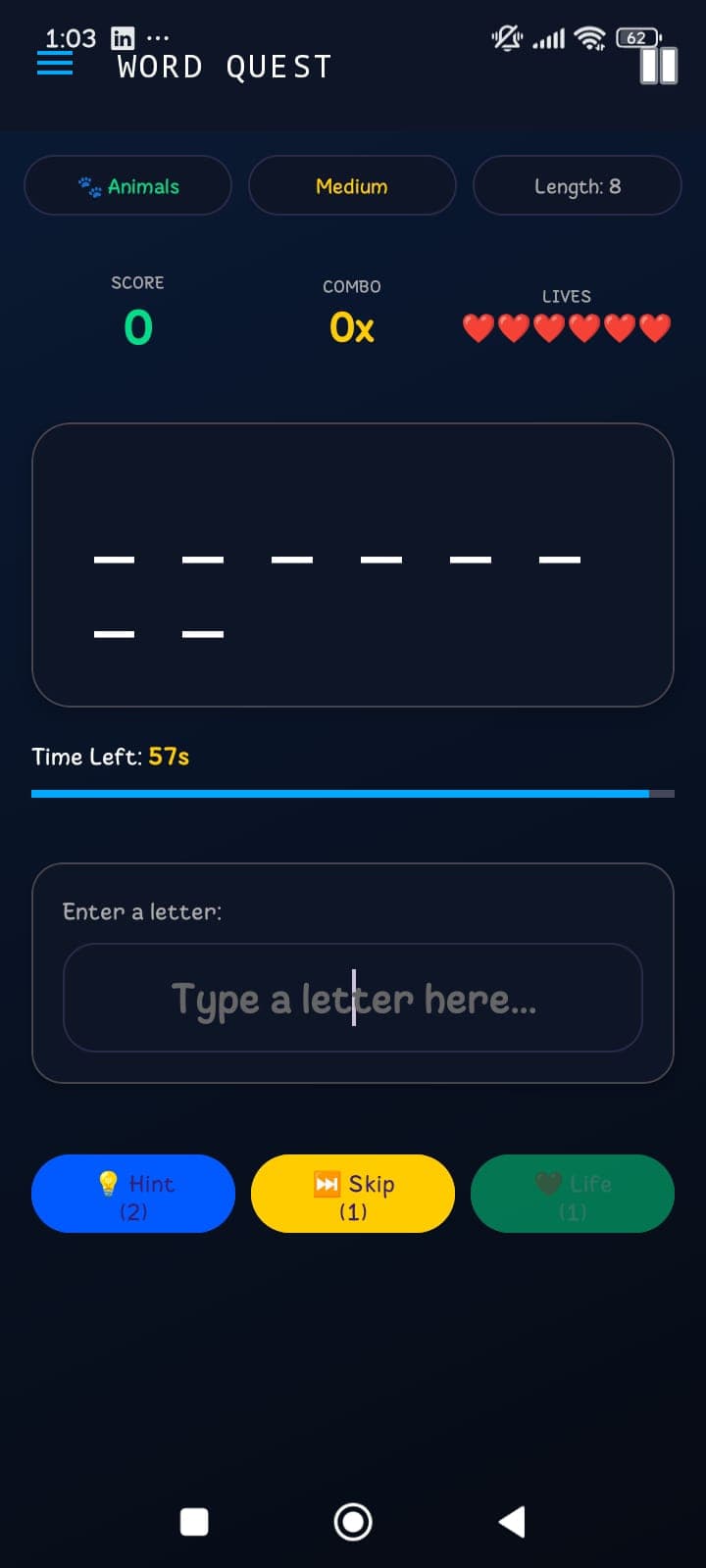
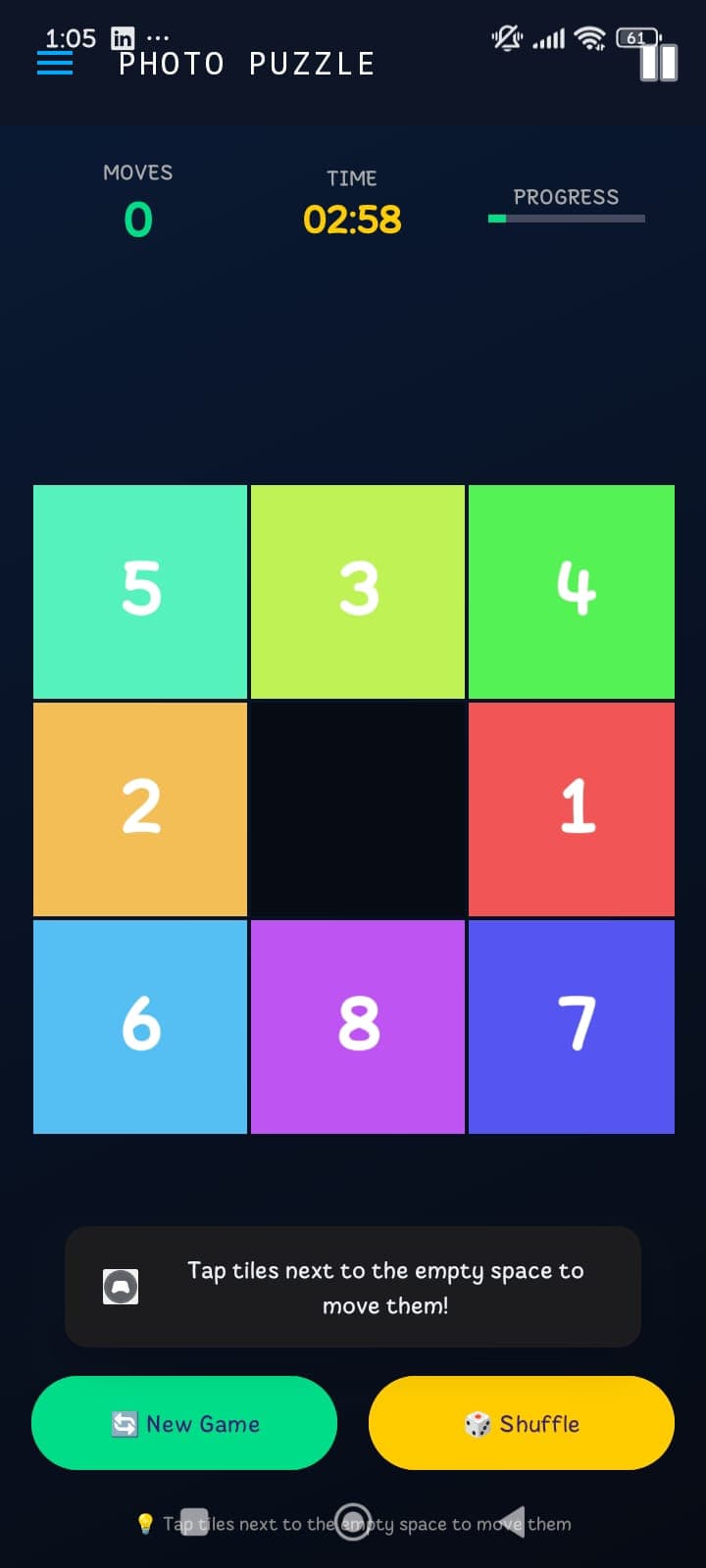
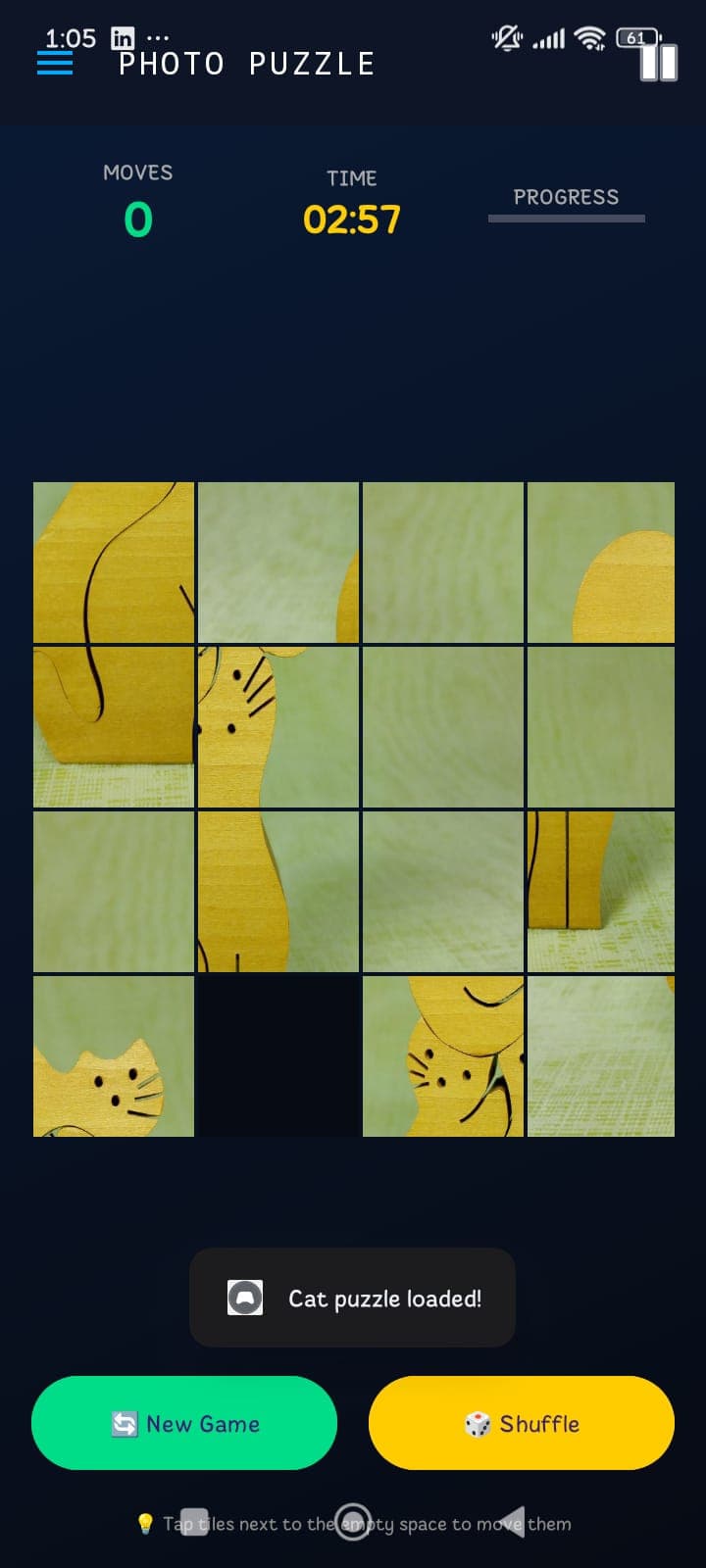
Seven independently-designed casual games — Memory Match, Neon Dash, Piano Tiles, Photo Puzzle, Quiz Challenge, Rapid Tap, and Word Quest — sharing one account system, one leaderboard, and one modular codebase instead of seven disconnected apps.
Key features
- Seven playable games behind a single sign-in
- Cloud-synced player profiles via Firebase Auth and Firestore
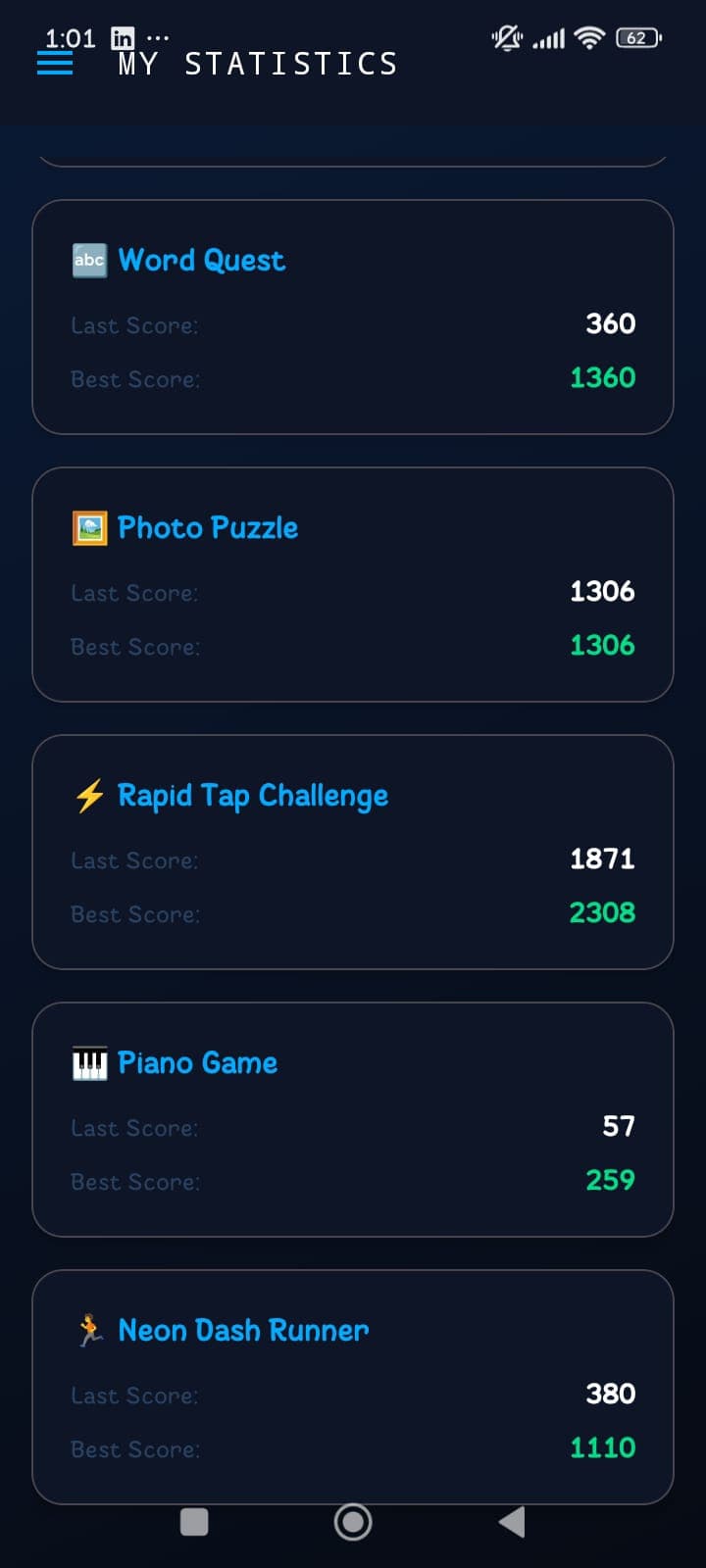
- Global leaderboards and per-game statistics
- Modular Activity/Adapter/Model structure shared across all games
Architecture & engineering decisions
Modular architecture with reusable Activities, Adapters, Models, and Utility classes shared across all seven games
Firebase Authentication and Firestore for secure sign-in and cloud-synchronized profiles
Global leaderboards and score tracking backed by Firestore
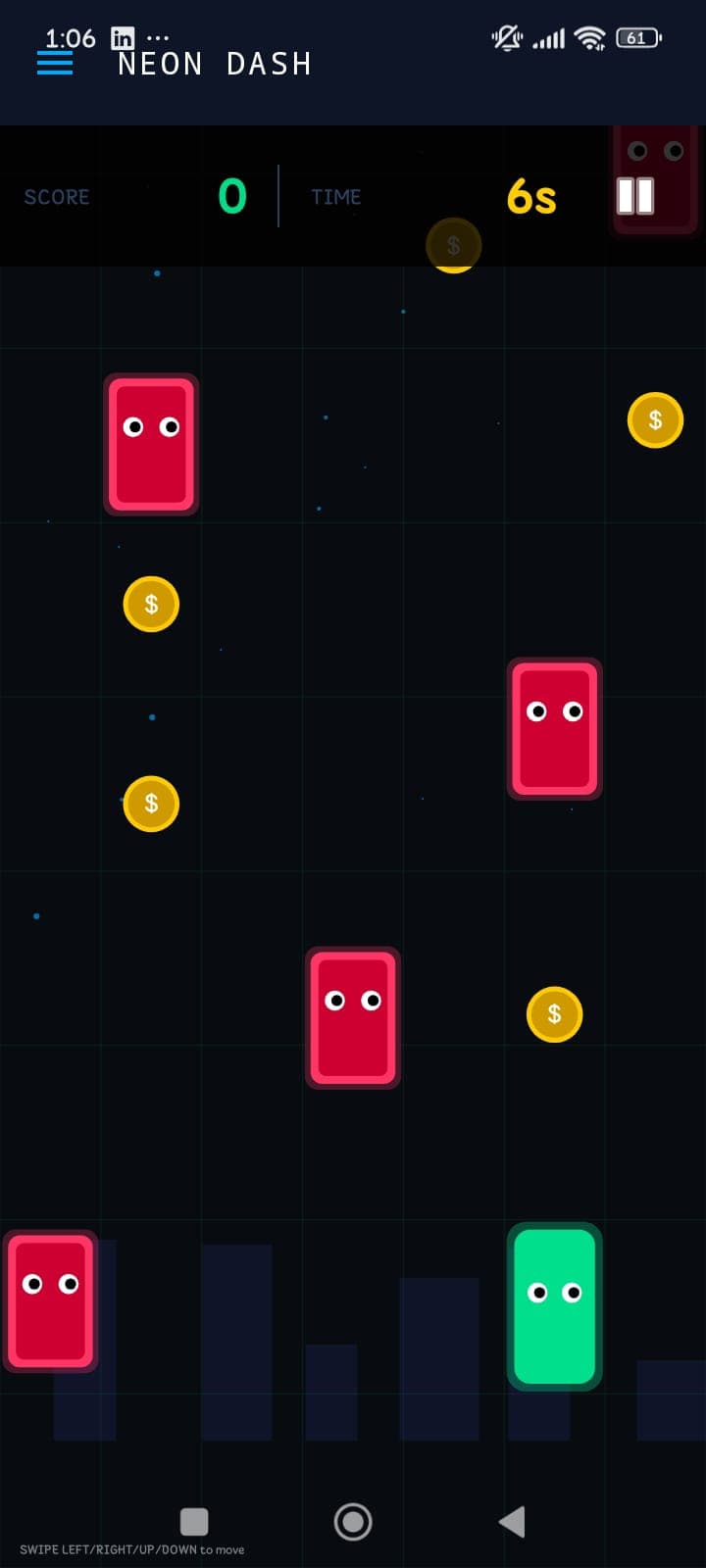
Custom Views and touch handling per game (e.g. Piano Tiles timing, Neon Dash movement)
SharedPreferences for persistent local storage and offline score caching
Product gallery
View full gallery →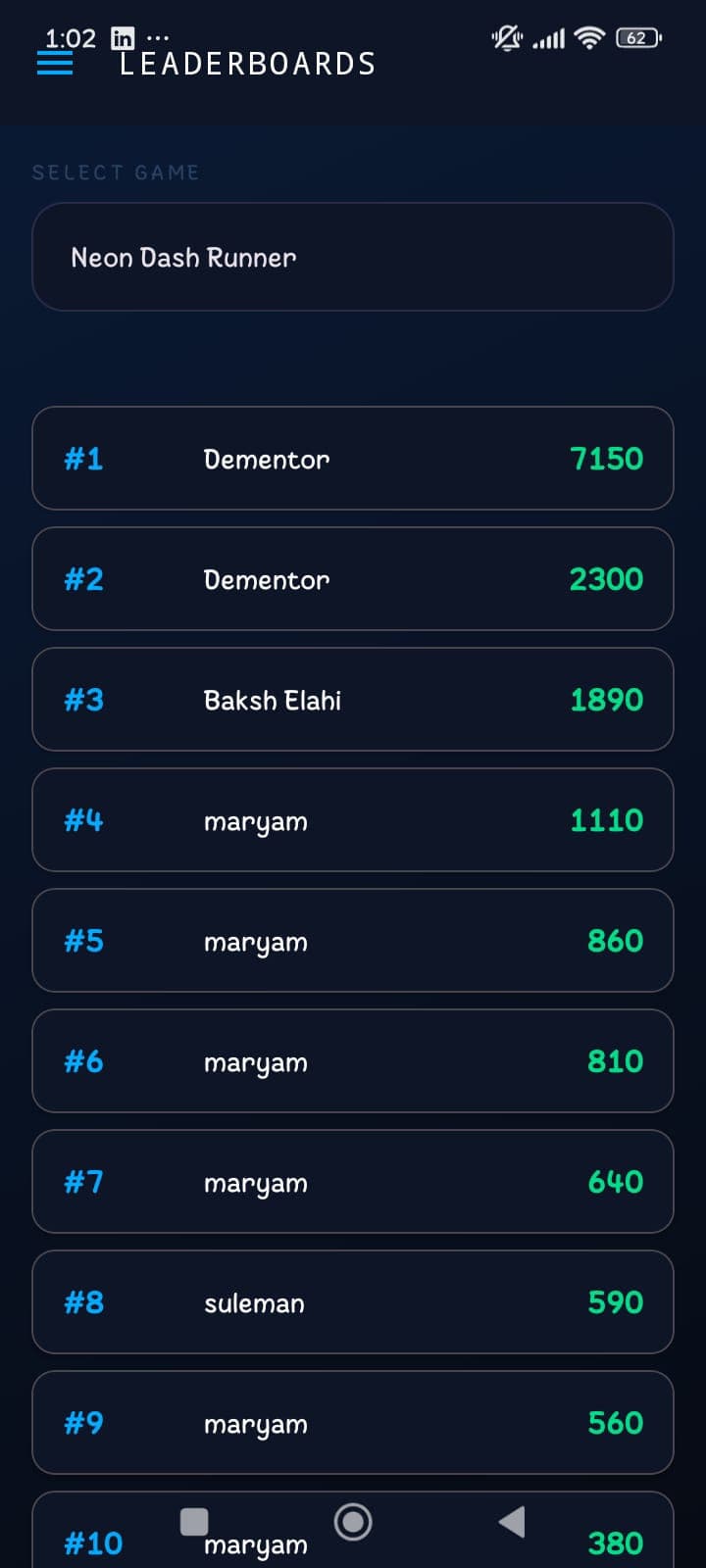
Challenges & how I solved them
Sharing one profile, leaderboard, and stats system across seven independently-built games
Centralized profile and score logic into shared utility classes so every game wrote to the same Firestore schema instead of maintaining its own.
Implementing custom touch handling tailored to each game's mechanics within one app
Built game-specific custom Views on top of a shared base Activity, keeping only the interaction logic per-game while reusing navigation and profile chrome.
Keeping local SharedPreferences state reliably in sync with Firestore across sessions
Treated SharedPreferences as an offline cache and Firestore as source of truth, reconciling on app resume rather than writing to both on every event.
Lessons learned
- A shared core (auth, profile, leaderboard) is what makes a multi-game app maintainable — without it, seven games become seven apps.
- Designing for offline-first cache reconciliation early avoided painful retrofits later.
Stack